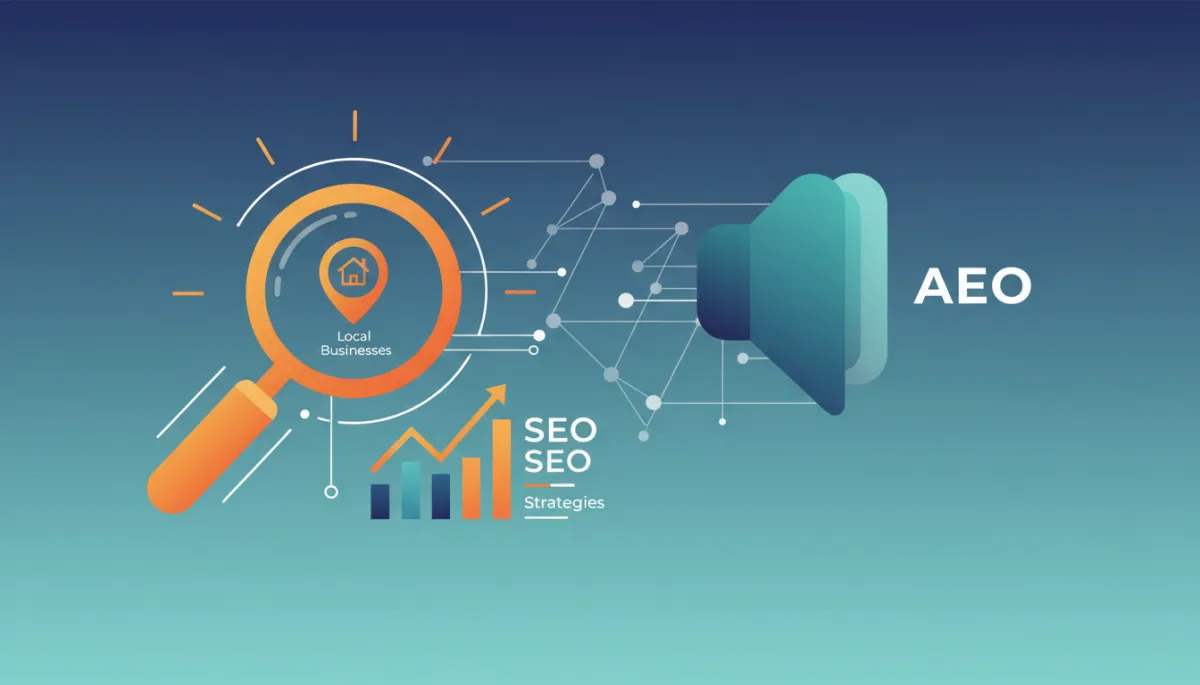
SEO vs. AEO: Local Business Search Success
Digital Marketing, SEO, AEO, Local Businesses
SEO vs. AEO: What Local Businesses Need to Know to Win Search
Search Optimization is no longer just about ranking on Google’s first page. For local businesses, it now also means showing up clearly in voice searches, “near me” queries, and AI-powered answers. That is where understanding the difference between SEO and AEO—and how to maximize both—becomes essential to your digital marketing strategy.
Defining SEO and AEO in Plain Terms
SEO (Search Engine Optimization) is the practice of improving your website and online presence so that search engines like Google and Bing rank your pages higher in search results. Traditional SEO focuses on factors such as keywords, on-page content, technical performance, backlinks, and user experience. For local businesses, this often includes Local SEO strategies like optimizing Google Business Profiles, collecting reviews, and using location-based keywords.
AEO (Answer Engine Optimization) is about something slightly different: helping search engines, voice assistants, and AI tools deliver your business as the best possible answer to a specific question. Instead of only aiming for blue links on a results page, AEO focuses on being featured in answer boxes, “People also ask” sections, map packs, and voice responses from assistants like Siri, Google Assistant, and Alexa.
📌 Key Takeaway: SEO helps your business get found in search results. AEO helps your business get chosen as the direct answer.
How SEO and AEO Differ—And Why It Matters for Local Businesses
While SEO and AEO both fall under the broader umbrella of digital marketing and Search Optimization, they are not identical. Understanding the difference helps local businesses prioritize the right activities and allocate budget more effectively.
Aspect SEO Focus AEO Focus Primary Goal Rank pages in search results Provide concise, direct answers Typical Queries “Dentist in Chicago,” “Italian restaurant near me” “What time does this restaurant open?” “Do they offer emergency care?” Main Outputs Organic listings, blog posts, service pages Featured snippets, map pack, voice answers Content Style In-depth, keyword-rich, comprehensive Clear, structured, question-and-answer oriented
For local businesses, SEO ensures that potential customers can see your website and location when they search. AEO ensures that when customers ask specific questions—about your hours, pricing, services, or policies—your business is the one that appears as the authoritative response.

Local success comes from ranking in results and owning the answer boxes.
Why AEO Is Rising in Importance for Local SEO Strategies
Voice search and AI-driven results have changed how people discover local businesses. Customers are increasingly asking conversational questions such as “Where can I get same-day dry cleaning near me?” or “Which coffee shop is open now and has Wi‑Fi?” Instead of browsing a long list of links, they often rely on the first spoken or highlighted answer.
Answer engines—whether they are part of Google, Apple Maps, or AI assistants—pull information from websites, business listings, and structured data. If your content is not optimized to be easily understood and reused as an answer, your competitors may capture those high-intent customers even if you have solid SEO rankings.
💡 Pro Tip: Think beyond “How do I rank?” and ask, “How do I become the clearest answer to the questions my local customers are asking?”
Practical Ways to Maximize SEO for Local Businesses
Before you can excel at AEO, you need solid SEO foundations. The following Local SEO strategies will strengthen your overall Search Optimization and ensure answer engines have the right data to work with.
Optimize Your Website Basics
Ensure each key page—home, services, products, contact, and location pages—includes clear titles, meta descriptions, and headings with relevant local keywords (for example, “family dentist in Austin, TX”). Fast loading speed, mobile responsiveness, and secure HTTPS are non-negotiable for modern SEO and user trust.Build Localized Content
Publish blog posts and landing pages that address local topics such as neighborhood guides, event sponsorships, or location-specific services. This helps search engines associate your business with a particular community and broadens the range of queries you can rank for.Strengthen Your Local Listings
Claim and optimize your Google Business Profile, Bing Places, Apple Maps, and major directory listings. Use consistent NAP (Name, Address, Phone) information everywhere. Add categories, photos, business descriptions, and service areas to support both SEO and AEO.Encourage and Respond to Reviews
Reviews are powerful signals for Local SEO and can influence which businesses surface first in map results. Ask satisfied customers to leave reviews, respond professionally to feedback, and include relevant keywords naturally in your replies when appropriate.
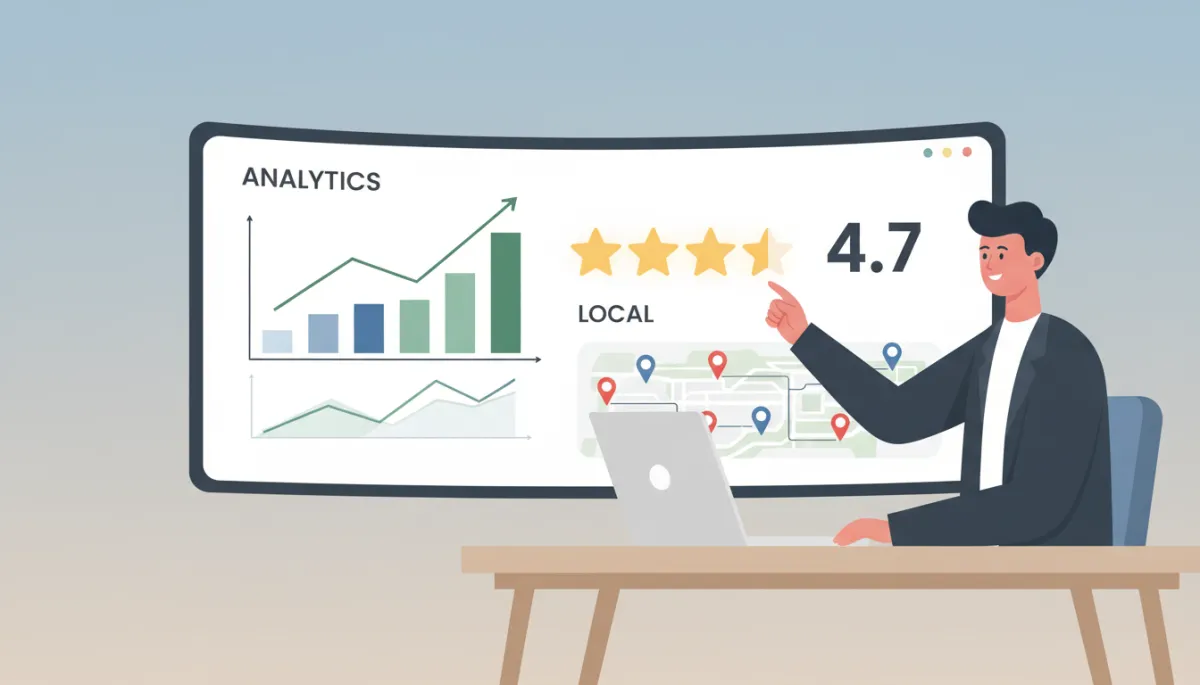
Local SEO gains momentum when website, listings, and reviews all reinforce each other.
Turning SEO into AEO: How to Optimize for Answers
Once your SEO foundation is in place, you can focus on shaping your content and data so that answer engines can quickly extract and present it. The goal is to make it effortless for algorithms to understand who you are, what you offer, where you are, and why you are relevant to a specific question.
Identify the Real Questions Customers Ask
Talk to your front desk, sales staff, and customer service team. List the actual questions people ask on the phone, via email, and in person. Examples include “Do you accept walk-ins?”, “Is parking available?”, or “Do you offer same-day appointments?” These are prime candidates for AEO-focused content.Create Clear Q&A Content
Add a structured FAQ section to your website, with each question written in natural language and followed by a concise, direct answer. Use headings or schema markup (FAQ structured data, implemented by your web team) to help search engines understand that these are question-and-answer pairs.Write for Voice and Conversational Search
When crafting content, imagine how a customer would ask the question out loud. Incorporate those phrases naturally in your copy. For example, instead of only writing “emergency plumber,” include text such as “If you need an emergency plumber in Denver right now, call us 24/7.”Use Structured Data to Clarify Key Details
Ask your developer or agency to implement structured data (schema.org) for your local business. Mark up important information such as business type, address, phone number, opening hours, prices, and FAQs. This data helps answer engines pull accurate details for snippets, map results, and voice answers.Keep Business Information Impeccably Accurate
AEO depends heavily on reliable information. Make sure your hours, services, and contact details are up to date on your website and all major platforms. Temporary changes—holiday hours, special events, or service interruptions—should be reflected quickly to avoid confusing both customers and search engines.
📌 Key Takeaway: AEO is not a separate channel from SEO. It is an evolution that rewards businesses that answer real questions clearly, consistently, and in a structured way.
Integrating SEO and AEO into One Local Search Strategy
For local businesses, the most effective approach is to treat SEO and AEO as two sides of the same Search Optimization coin. Your SEO efforts bring visibility and traffic; your AEO efforts convert that visibility into calls, bookings, and visits by delivering the right information at the right moment.
Use SEO to ensure your website and listings appear for broad local searches.
Use AEO to ensure that when customers refine their search with questions, your business is presented as the trusted answer.
Measure both: track rankings and organic traffic (SEO) alongside calls, direction requests, FAQ impressions, and featured snippet appearances (AEO).
Final Thoughts: Becoming the Local Answer of Choice
As search technology continues to evolve, local businesses that rely solely on traditional SEO risk falling behind. By embracing both SEO and AEO, you position your brand not just to be seen, but to be selected—whether a customer is scanning a results page, tapping a map pin, or asking a voice assistant for help nearby.
Investing in clear content, accurate data, and thoughtful Local SEO strategies does more than improve rankings. It builds trust, removes friction from the customer journey, and ensures that when people in your community are ready to buy, your business is the obvious and confident choice. By aligning SEO and AEO within a unified digital marketing plan, local businesses can turn search visibility into measurable growth—online, on the phone, and at the front door.


